Remodeling Ideas That Transform Your Home

Remodeling is one of the most effective ways to enhance the beauty, functionality, and value of your home. Whether you are looking to modernize outdated spaces, improve energy efficiency, or increase comfort, a thoughtful remodeling project can breathe new life into any property. With the right planning and strategies, remodeling turns ordinary spaces into personalized, stylish, and practical areas that suit your lifestyle.
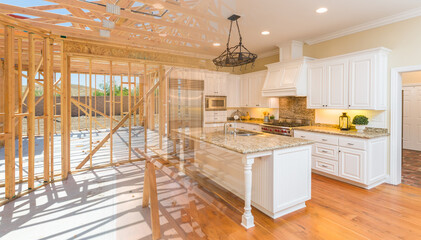
remodeling

Why Remodeling Matters

Home remodeling goes beyond aesthetic upgrades. It improves the usability of your living spaces, increases property value, and addresses maintenance issues that may compromise safety or comfort. Remodeling projects can range from simple updates like painting and flooring to extensive renovations involving kitchens, bathrooms, or entire floors.

Effective remodeling also helps optimize space and adapt homes to changing needs. Families growing in size, remote work requirements, or accessibility improvements all benefit from strategic renovations. In addition, remodeling projects often increase energy efficiency, lower utility bills, and create a more sustainable living environment.

Planning a Remodeling Project

Successful remodeling starts with careful planning. Proper preparation ensures the project stays on schedule, within budget, and meets expectations. Key steps include:

Assessing Needs and Goals

Identify the areas that require attention and clarify your goals. Are you looking to modernize, increase functionality, or add more storage? Clearly defining objectives helps guide decisions throughout the process.

Establishing a Budget

Setting a budget early prevents overspending. Factor in costs for materials, labor, permits, and unexpected contingencies. A well-planned budget ensures that remodeling goals are achievable without financial strain.

Choosing the Right Design

A cohesive design plan ensures that remodeled spaces align with your overall home style. Consider color schemes, materials, and layouts that complement existing features while creating a fresh, updated look.

Hiring Professionals or DIY Planning

Decide whether to hire contractors, designers, or handle projects independently. Professional assistance ensures quality workmanship, adherence to safety standards, and timely completion, while DIY projects offer flexibility and potential cost savings.

Remodeling Tips for Different Areas

Remodeling strategies vary based on the area being renovated. Here are some tips for common spaces:

Kitchen Remodeling

Kitchens are often the heart of the home, making them a popular remodeling focus. Tips include:

  • Upgrade appliances and fixtures for efficiency and style.
  • Install new countertops, backsplashes, or cabinetry for a modern appearance.
  • Optimize storage with organizers, pull-out shelves, and hidden compartments.
  • Improve lighting with a mix of ambient, task, and accent lights.

Bathroom Remodeling

Bathrooms require careful planning for functionality and aesthetics:

  • Replace outdated fixtures with water-efficient models.
  • Update tiles, vanities, and mirrors for a fresh, clean look.
  • Add storage solutions like cabinets, shelves, and recessed spaces.
  • Improve ventilation and lighting for comfort and safety.

Living Room Remodeling

Living room renovations enhance comfort and visual appeal:

  • Refresh walls with paint or textured finishes.
  • Upgrade flooring for durability and style.
  • Incorporate modern furniture and décor elements that suit your lifestyle.
  • Use lighting to create ambiance and highlight design features.

Bedroom Remodeling

Bedrooms benefit from designs that promote relaxation and personal style:

  • Optimize storage with closets, under-bed drawers, and multifunctional furniture.
  • Update flooring, wall treatments, and lighting for comfort.
  • Create a cohesive color palette for a calming atmosphere.

Remodeling Ideas for Maximum Impact

Certain remodeling ideas provide high impact without requiring extensive work:

  • Open Floor Plans – Remove walls or partitions to improve flow and create spacious living areas.
  • Energy-Efficient Upgrades – Install insulated windows, LED lighting, and efficient heating/cooling systems.
  • Smart Home Features – Integrate technology for lighting, security, and climate control.
  • Outdoor Living Spaces – Expand patios, decks, or gardens to create functional outdoor areas.
  • Storage Optimization – Build custom cabinets, shelves, or hidden storage solutions for clutter-free living.

Implementing these ideas ensures your remodeling project adds both style and value.

Common Remodeling Mistakes to Avoid

Avoiding mistakes helps ensure a smooth and successful project:

  • Neglecting Planning – Lack of preparation can lead to delays and overspending.
  • Overlooking Functionality – Prioritize usability alongside aesthetics.
  • Ignoring Permits and Regulations – Required permits ensure safety and compliance with building codes.
  • Choosing Low-Quality Materials – Durable, high-quality materials reduce maintenance and improve longevity.
  • Skipping Professional Help When Needed – Certain tasks require expertise to prevent costly errors.

By avoiding these pitfalls, remodeling becomes a more efficient and rewarding process.

Benefits of Remodeling

Remodeling offers numerous advantages beyond aesthetics:

  • Enhanced Comfort – Modernized spaces improve daily living and convenience.
  • Increased Property Value – Renovations often yield a higher return on investment.
  • Energy Efficiency – Upgrades reduce energy consumption and utility costs.
  • Customization – Personalize spaces to suit your preferences and lifestyle.
  • Longevity – Addressing wear and tear preserves structural integrity and reduces long-term maintenance.

These benefits make remodeling a smart choice for homeowners looking to improve their homes and overall quality of life.

Remodeling is a powerful way to transform your home, combining style, functionality, and value. Whether updating a single room or undertaking a full-scale renovation, careful planning, creative design, and attention to detail are essential for success.

From kitchens and bathrooms to living spaces and bedrooms, remodeling projects allow homeowners to personalize their environment while improving comfort and efficiency. By avoiding common mistakes, embracing innovative ideas, and prioritizing quality, remodeling can create spaces that are both beautiful and practical.

Ultimately, a well-executed remodeling project not only enhances the aesthetics and functionality of your home but also increases property value and enriches everyday living. With the right approach, remodeling turns ordinary spaces into extraordinary environments that reflect your vision and lifestyle.

Cabinet Refinishing for Small Kitchens

San Jose Cabinet Refinishing

Cabinets are the kitchen’s functional and aesthetic backbone. But over time, they can show signs of wear and tear.

Rather than purchasing new cabinets, a homeowner can refinish or reface existing ones. Both projects can dramatically change a room’s appearance. Contact San Jose Cabinet Refinishing for more information.

Cost

Cabinet refinishing can cost as much as half of what it would cost to replace your cabinets. It also uses fewer resources than refacing and is an environmentally responsible choice. The waste generated by tearing out old cabinets and installing new ones is substantial, but refinishing minimizes it. This type of project may be more expensive if you want to change the color of your cabinets, but even that can save you more money than replacing them entirely.

There are several factors that influence the overall cost of a kitchen cabinet refinishing job. The scope of the work, the number and style of cabinet doors and drawer fronts, and any upgrades you might make will determine how much this project will run. If you want to make significant changes, it is recommended that you have professional estimates prepared by reputable contractors.

The cost of cabinet refinishing includes labor and materials like stain and top coat, though specifics vary. A typical workflow starts with inspection and repairs, then cleaning, deglossing, light sanding, chemical stripping (if necessary), wood filler for damaged areas, a high-quality primer, multiple coats of low-VOC paint or stain, and an optional protective sealant. If you plan on changing the color of your cabinets, this will add to the overall cost because the existing finish needs to be removed before applying the new one.

While refinishing your cabinets can seem like an intimidating DIY task, many homeowners find that it is less costly and more efficient to hire a professional. The process can be messy and dusty, but a professional will keep the mess contained to the cabinet surfaces themselves, minimizing the impact on your home’s air quality. Moreover, a skilled professional will complete the task more quickly than a homeowner might achieve with at-home tools and methods, which require sanding, painting, and spraying with VOC-free finishes that dry evenly for lasting durability.

Depending on the size of your kitchen and the style of doors, you can expect to pay anywhere from $4,300 to $7,000. If you want to replace your cabinet doors and drawer fronts with modern designs, you’ll need to budget for additional costs like hardware and installation.

Time

Cabinet refacing and refinishing both require time to complete the job. A professional team will provide a detailed timeline that can be adjusted to meet your unique needs and budget. This is important because the longer your project takes, the more costly it becomes. In addition, the work may take longer if you choose to add extra elements like countertops, backsplash, flooring, or plumbing.

The cabinet refinishing process requires some pre-work, including inspection, cleaning, deglossing, light sanding (with a grit between 30 and 60), and stain or paint preparation. This step is essential for creating a smooth surface that will hold the new finish well. It also removes old finishes and fills any holes, dents, or scratches. Next, the cabinets are primed. Once the primer is dry, it’s time to start applying the final color and sheen.

This process requires a lot of prep, which can be time-consuming. A professional refinisher will use a high-quality HVLP sprayer, sander, and proper safety gear to ensure the best results. They will test older homes for lead paint and follow containment procedures if necessary. A professional team can generally do a 12-cabinet kitchen in 2-5 days.

Refinishing is a great option for homeowners who want to make a significant visual impact without a major remodel. It preserves the original structure and functionality of your kitchen, allows for customization, and reduces environmental waste. Plus, it’s a more affordable alternative to replacing your cabinets.

However, refinishing isn’t right for everyone. It may not provide the same dramatic change as refacing, and it can be difficult to keep up with maintenance. It’s also important to consider your current kitchen layout and how it fits your lifestyle. For example, do you need more storage or organizational solutions? Do you prefer a more modern or traditional look? These factors will help you decide whether refacing or refinishing is the best option for your home.

Workspace

Cabinet refacing involves applying laminate wood to the face frames and sides of existing cabinets to give them a dramatically new look. It’s a relatively quick project compared to replacing cabinet doors and drawer fronts and it’s much more cost-effective than a complete replacement. But there are a few things to keep in mind before you embark on this exciting remodel.

To begin the refacing process, empty the cabinets and remove all the hardware (hinges, knobs, pull handles). Label each door or drawer where it goes for easy reinstallation later on. Clean the cabinets thoroughly using a degreaser or a combination of water and mild dish soap. This is important because kitchen cabinets are prone to grease buildup, especially near the handles and other high-touch areas. Once the cabinets are cleaned, they are sanded to ensure a smooth surface for the stain or paint. If necessary, dents or scratches are filled. Finally, the cabinet faces are primed to promote topcoat adhesion and a uniform appearance.

When refacing, it’s also the ideal time to add additional storage solutions. For example, installing pull-out drawers, shelving, vertical storage or under-cabinet hooks will make the most of limited space. It’s also a good idea to add a backsplash to tie everything together and protect your walls from stains and scratches.

Once the cabinet surfaces are sanded and cleaned, they are ready for priming. Choosing a high-quality, bonding primer like KILZ 3(r) Premium Primer offers excellent adhesion and stain blocking properties and dries quickly. Apply the primer using a paintbrush for detailed areas and a roller for larger, flat sections. When the primer dries, it’s a good time to caulk any cracks where the cabinets meet the wall or crown molding.

Once the primer dries, it’s time to start the refacing process. First, sand the cabinet face frames and rails to prepare them for veneer application. Then, apply the veneer to the stiles and rails in thin strips. Use a veneer roller to push out any air bubbles and to ensure a smooth surface. Let the veneer dry before reinstalling the doors and drawer fronts.

Maintenance

Cabinet refinishing can transform your cabinets, giving them a fresh new look without the expense and time commitment of a full renovation. However, there are some maintenance tasks you must perform regularly to keep them looking beautiful. The first step is to clean the cabinets frequently. This removes dust, smoke, and other debris that accumulates over time. You can use a mild cleaner formulated for wood cabinets or even soap and water. Be sure to dry the surfaces thoroughly after cleaning to avoid moisture damage.

During this time, it’s also a good idea to inspect the cabinets for any structural issues or damage that may require attention. For example, if water has penetrated the surface, you might need to sand the area and apply another coat of stain. If the wood has swelled or warped, you’ll need to do more extensive repairs to the affected areas.

Another important maintenance task is to wipe down the cabinet surfaces regularly with a soft cloth or sponge. This removes dirt, grease, wax, and other debris that can damage the finish. You can also use a gentle wood furniture polish to restore the shine and appearance to your cabinets.

Finally, it’s important to protect your cabinets from sunlight. Prolonged exposure to direct light can cause the finish to fade. To prevent this, you can use window treatments or install cabinets that are shaded from direct sunlight.

While refinishing and refacing are two different approaches to changing the look of your kitchen cabinets, both can be effective in providing a dramatic transformation. The key difference is that refacing involves the installation of new cabinet doors and drawer fronts, while refinishing simply changes the color and texture of existing ones.

Refacing carries a higher initial cost than refinishing, but the expense is offset by the fact that you don’t have to pay for new cabinets, removal, and installation. It’s also more environmentally friendly, as you are reusing the existing materials and minimizing waste.

Navigation